

SPORTS MASSAGE
what is a SPORTS MASSAGE
A sports massage is a form of massage that focuses on muscles, tendons, and connective tissue that are heavily stressed during sports or physical exertion. The massage helps muscles feel more supple, reduces tension, and supports recovery after exertion.
Unlike a relaxation massage, a sports massage is usually more targeted and functional. The focus is often on specific muscle groups that are heavily strained, such as the calves, thighs, back, shoulders, or neck. The pressure can vary from light to firm, depending on the goal of the massage and the sensitivity of the body.
how does a SPORTS MASSAGE work
During a sports massage, muscles and surrounding tissue are treated using various massage techniques, such as stroking, kneading, pressure points, and rhythmic movements. These techniques help to reduce muscle tension and allow the body to relax more.
In addition, sports massage can stimulate blood circulation in the treated muscles. This supports the removal of waste products and can ensure that muscles feel more supple and less heavy afterwards.
The effect varies from person to person. One person experiences immediate increased relaxation and freedom of movement, while another primarily notices that muscles feel less stiff after a training session or match.
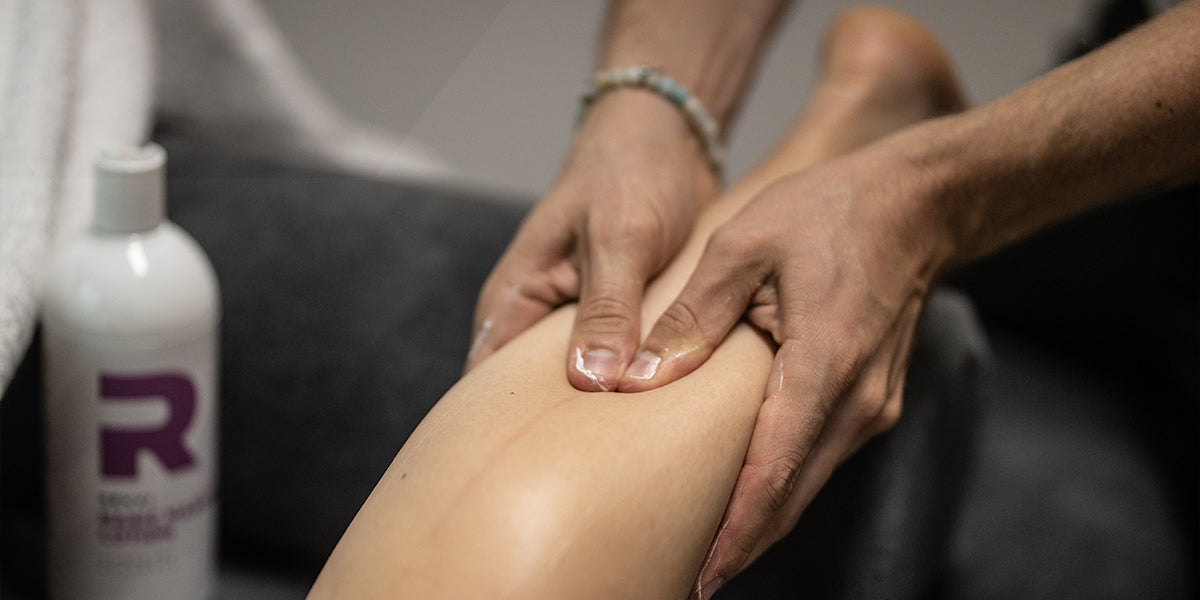
benefits of A SPORTS MASSAGE
Supports muscle recovery
After intense exertion, muscles can feel heavy, tense, or fatigued. Sports massage can help reduce this feeling and support the recovery process. Especially after heavy training sessions, competitions, or periods of high strain, massage can contribute to a more pleasant recovery experience.
Research shows that sports massage can primarily help reduce muscle pain after exertion, also known as delayed-onset muscle soreness. The effects on immediate athletic performance are less clear, but massage can contribute to less stiffness and more comfort after exertion.
Reduces muscle tension
One of the best-known benefits of sports massage is the reduction of muscle tension. Due to repetitive movement, intensive training, or a one-sided posture, muscles can become tight or sensitive. Massage can help release this tension, making muscles feel more supple.
This makes sports massage interesting not only for avid athletes, but also for people who sit a lot, do physical work, or regularly suffer from stiff shoulders, neck, or legs.
Can relieve muscle pain
After intense exertion, muscles can feel heavy, tense, or fatigued. Sports massage can help reduce this feeling and support the recovery process. Especially after heavy training sessions, competitions, or periods of high strain, massage can contribute to a more pleasant recovery experience.
Research shows that sports massage can primarily help reduce muscle pain after exertion, also known as delayed-onset muscle soreness. The effects on immediate athletic performance are less clear, but massage can contribute to less stiffness and more comfort after exertion.

SPORTS MASSAGE TECHNIQUES
It is a misconception that a sports massage is synonymous with a deep tissue massage.
A sports massage is the umbrella term encompassing various massage techniques such as:
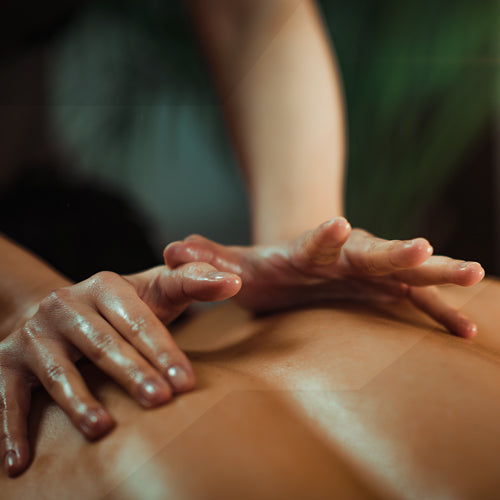
EFFLEURAGE
Effleurage Effleurage is a gentle, flowing massage technique involving long, stroking movements across the skin. This technique helps the body relax, stimulates blood circulation, and prepares the muscles for a deeper massage. Effleurage is often used at the beginning and end of a treatment to create calm, warmth, and relaxation.
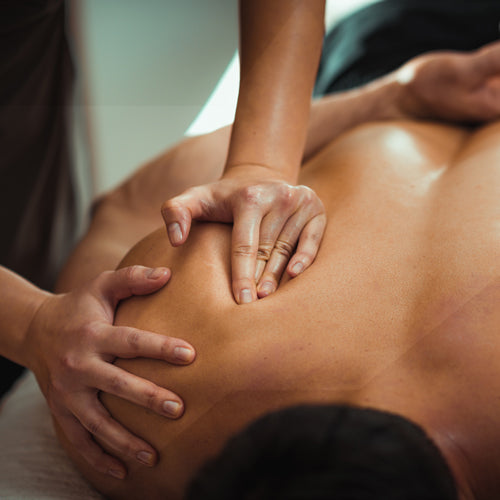
PETRISSAGE
Petrissage Petrissage is a massage technique in which the muscles are gently kneaded, rolled, and loosened. This technique helps reduce muscle tension, stimulates blood circulation, and supports the removal of waste products. Petrissage is often used to work deeper into the muscle tissue and make the body supple and relaxed.
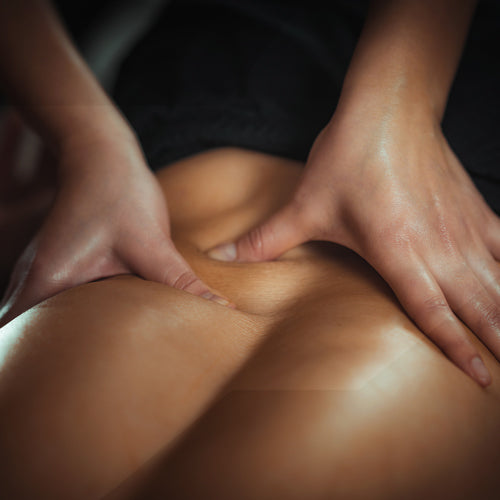
FRICTION
Friction Friction is a massage technique in which pressure is applied to specific areas of the muscle tissue using small, targeted rubbing movements. This technique helps to loosen adhesions, stimulate blood circulation, and reduce localized muscle tension. Friction is often used for stiff muscles, trigger points, or areas that require extra attention.
Sources
Substantiation of sports massage
Rejuvenate Your Cells by Growing New Mitochondria
> VIEW THE SOURCE
JE Hilbert, GA Sforzo, T Swensen PhD, Department of Exercise & Sport Sciences, Center for Health Sciences, Ithaca, NY 14850, USA
> VIEW THE SOURCE
Wafa Douzi, Dimitri Theurot, Laurent Bosquet, and Benoit Dugué : An Evidence-Based Approach for Choosing Post-exercise Recovery Techniques to Reduce Markers of Muscle Damage, Soreness, Fatigue, and Inflammation
> VIEW THE SOURCE
Jason Brummitt, MSPT, SCS, ATCa: The Role of Massage in Sports Performance and Rehabilitation. Current Evidence and Future Direction
> VIEW THE SOURCE
Izreen Supa'at, Zaiton Zakaria, Oteh Maskon, Amilia Aminuddin, Nor Anita Megat Mohd Nordin : Effects of Swedish massage therapy on blood pressure, heart rate, and inflammatory markers in hypertensive women
> VIEW THE SOURCE
Massage therapy can help improve sleep
> VIEW THE SOURCE