

RESTORE
WHAT IS RESTORE?
Recovery is the process by which the body returns to balance after physical exertion. Muscles, joints, and energy reserves are given the opportunity to recover, allowing the body to prepare for the next activity. Now that more and more people are exercising and staying active, attention to a good recovery routine is also growing. However, the importance of recovery, also known as the 'recovery principle', is not yet sufficiently known to every athlete.
PRINCIPLE
To derive optimal benefit from an intensive workout, the body needs time to recover. During exertion, muscles and joints are stressed and the body loses energy. By incorporating sufficient recovery periods, the body gets the chance to come back stronger. This not only supports the next training session but also helps reduce the risk of overexertion and injuries.
For most athletes, the goal is clear: to become fitter, stronger, and more resilient. A good balance between exertion and recovery contributes to better resistance, a stronger body, and a higher performance level.
It is during recovery periods that the body builds up more resistance.

OPERATION
During intensive training, the body is subjected to strain and a form of physical stress occurs. This is a natural part of sports: the body responds to this strain by adapting and becoming stronger. For this process to function properly, the body requires sufficient rest and recovery. This allows it to prepare for the next exertion and better handle a higher load.
In sports involving explosive movements, such as football, basketball, tennis, or other ball sports, micro-tears can occur in the muscle tissue. During the recovery process, these damages are repaired, and the body builds up additional muscle tissue. As a result, the muscles become stronger and better able to withstand the next training session or match.
When the body is given insufficient time to recover, this process can become disrupted. Muscle strain then accumulates, increasing the risk of overuse, strains, or muscle tears. A good recovery routine helps the body return stronger and contributes to sustainable athletic performance.
Main Ingredients
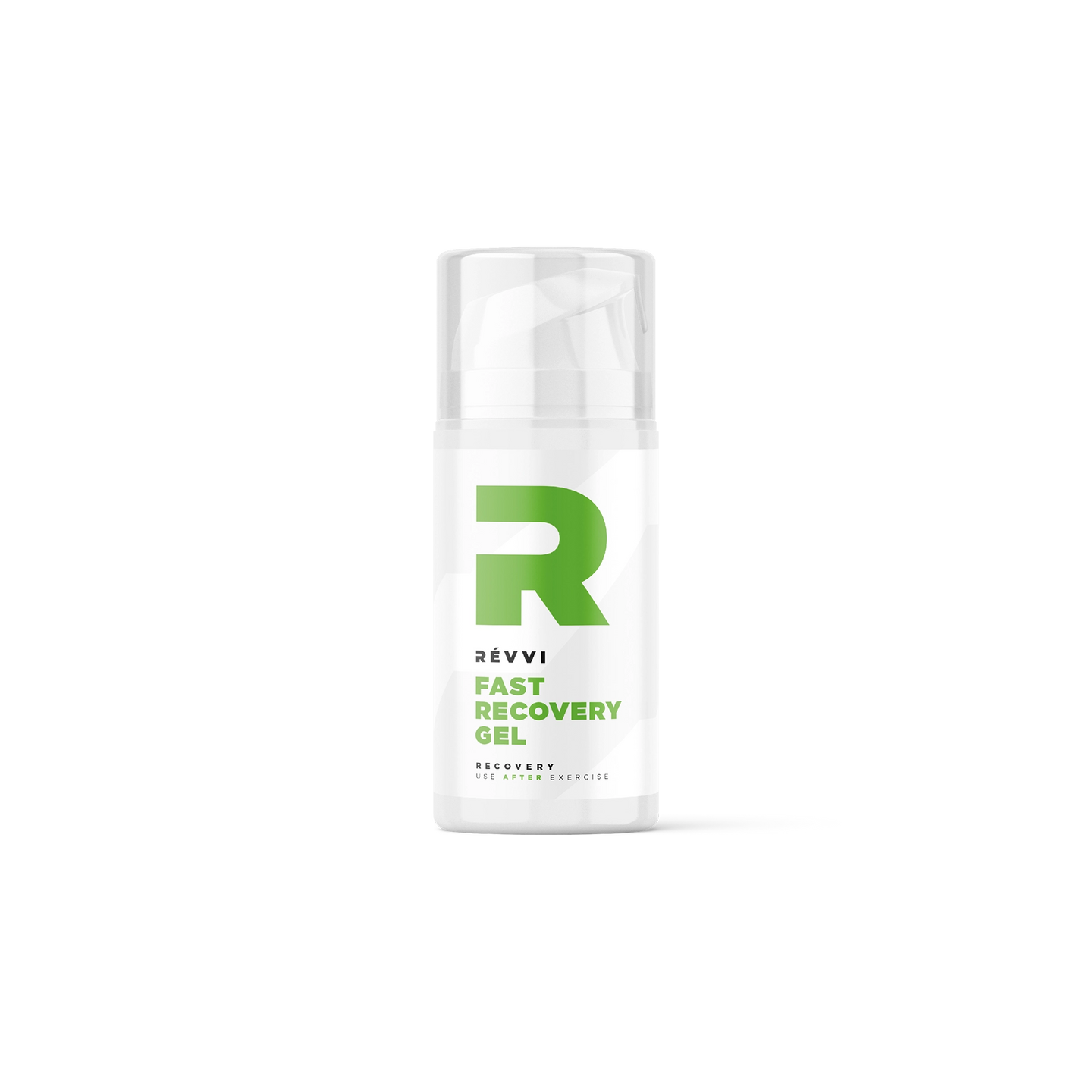
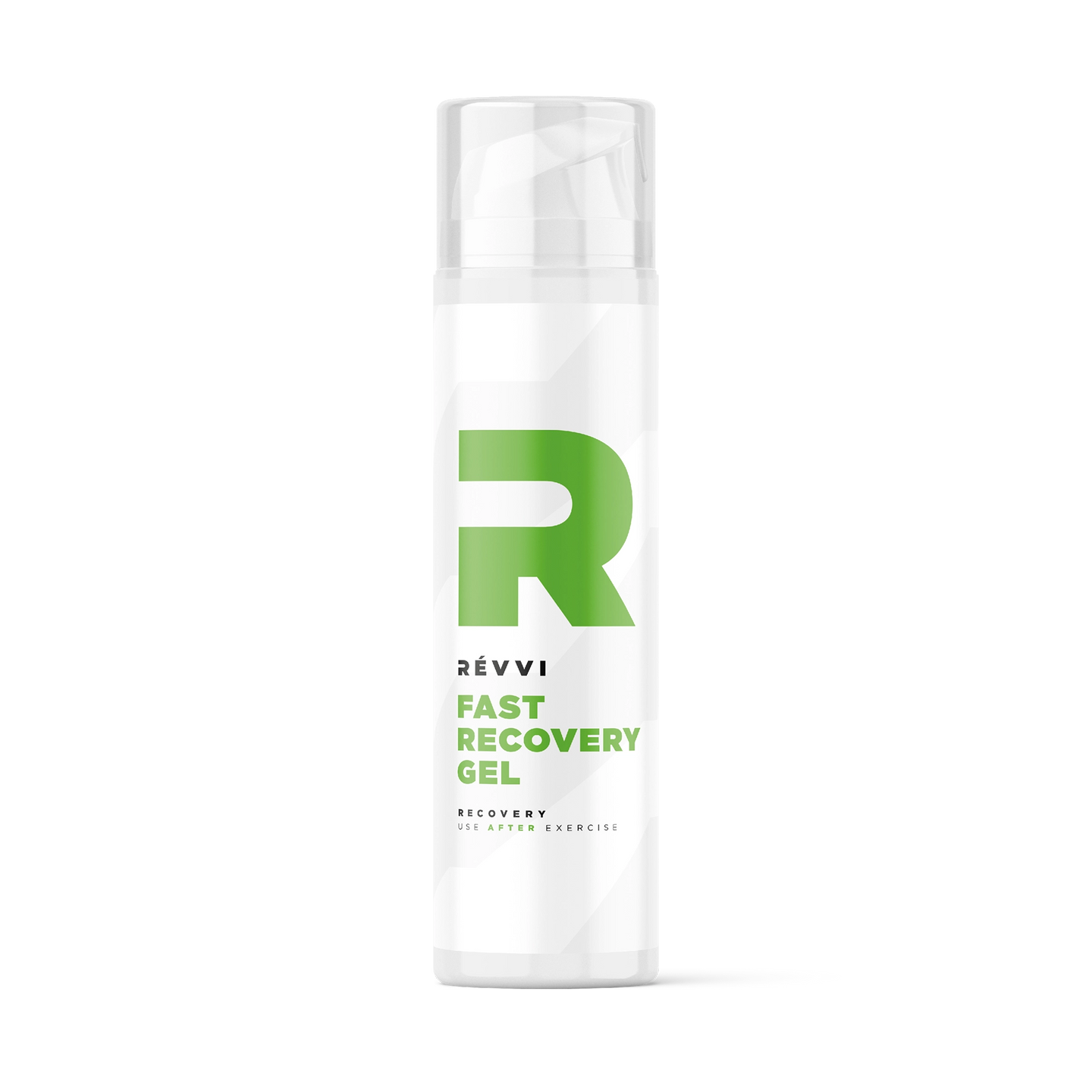
The FAST RECOVERY MUSCLE GEL consists mainly of natural ingredients, each with their own specific characteristics.
The combination of these ingredients results in a very effective product that provides a long-lasting and restorative effect.

ARNICA MONTANA
CALM WORLD
Arnica, also known as mountain arnica, is widely used to support the recovery of muscles and tissues. It is known for its nourishing and soothing effect on muscle strain, bruises, and minor hairline fractures. Additionally, mountain arnica stimulates blood circulation, thereby supporting the body's natural recovery process after exertion or overexertion.
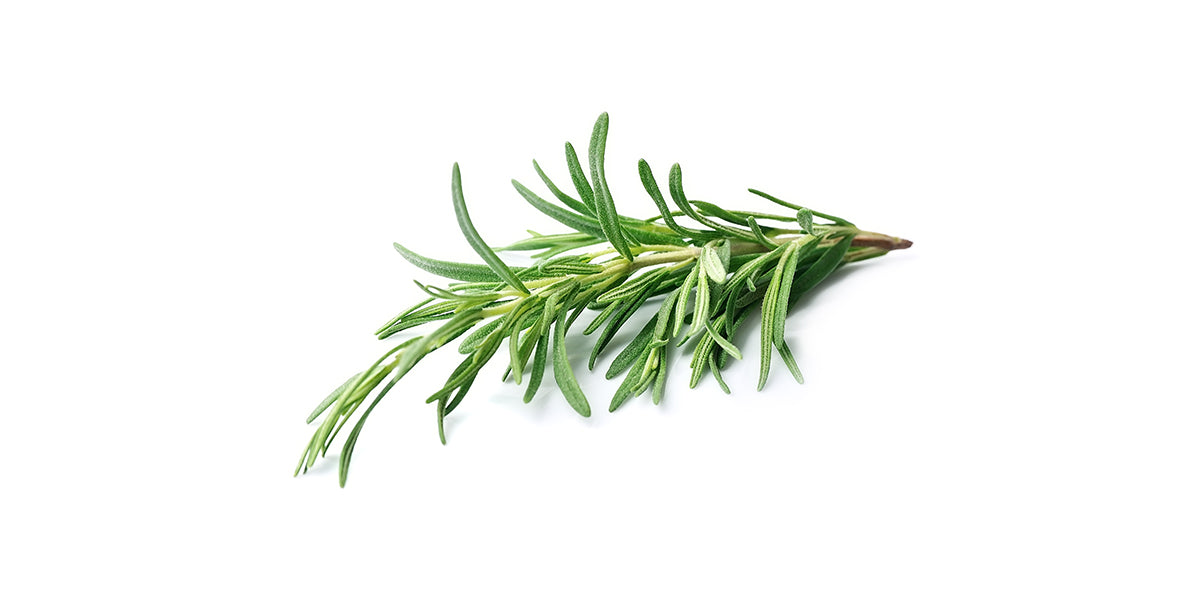
SALVIA ROSMARINUS
ROSEMARY
Rosemary extract is widely used in sports care due to its stimulating and revitalizing effects. It helps support blood circulation and can contribute to reducing muscle fatigue after exercise. Additionally, rosemary is known for its nourishing and soothing properties for muscles and joints, making it a valuable ingredient in recovery products.
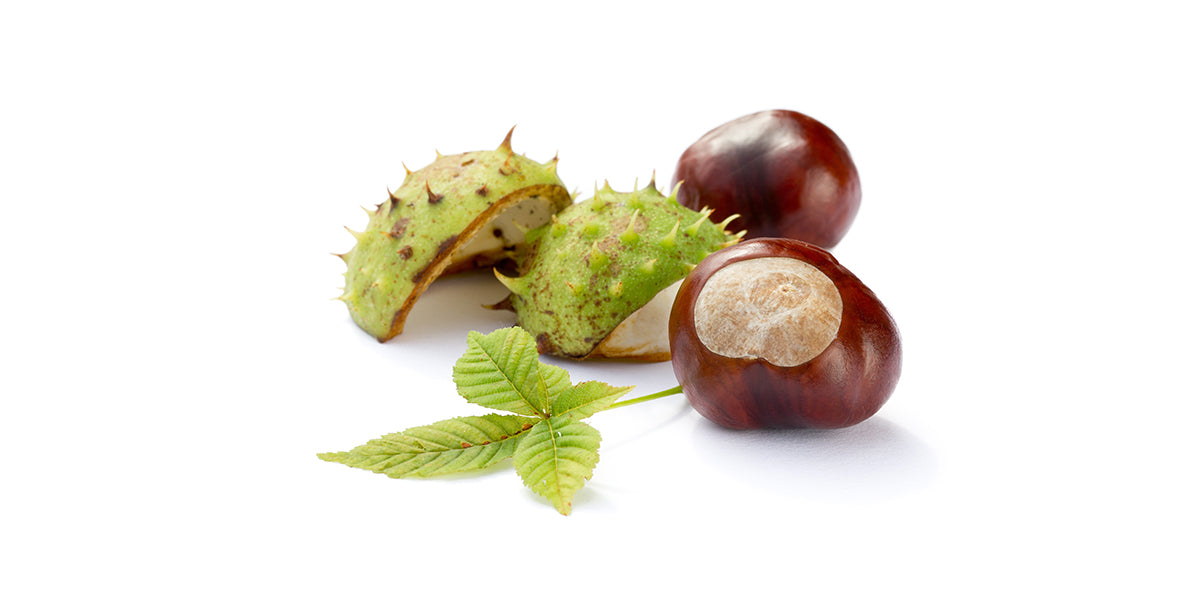
HIPPOCASTANUM
HORSE CHESTNUT
Horse chestnut is widely used due to its supportive effect on blood circulation. It helps stimulate blood flow, thereby supporting the transport of oxygen and nutrients in the body. Additionally, horse chestnut is known for its nourishing and soothing properties, making it a valuable ingredient in muscle and body care products.
CONCLUSION
The RÉVVI FAST RECOVERY MUSCLE GELS are chemical-free and have a unique composition of natural ingredients. The muscle recovery and soothing properties have as their main goal to restore or protect the affected area of the body to a maximum and optimal extent.
The use of FAST RECOVERY MUSCLE GEL is highly recommended to maximize recovery AFTER exercise and to shorten recovery periods between activities.

Sources
(1) MuhammadH. Alu'datt, ... Mervat Rawshdeh, in Therapeutic, Probiotic, and Unconventional Foods, 2018
> VIEW SOURCE
(2) Joana M Andrade, Célia Faustino, Catarina Garcia, Diogo Ladeiras, Catarina P Reis and Patrícia Rijo Rosmarinus officinalis L. : an updated review of its phytochemistry and biological activity
> VIEW SOURCE
(3) Dudek-Makuch M, Studzińska-Sroka E. Horse chestnut – efficacy and safety in chronic venous insufficiency Rev Bras Farmacogn. 2015;25(5):533-41
> VIEW SOURCE
(4) Tommaso Iannitti … Beniamino Palmieri : Effectiveness and Safety of Arnica Montana in Post-Surgical Setting, Pain and Inflammation
> VIEW SOURCE